Sbírka 187 Atom Frequency
Sbírka 187 Atom Frequency. E=hf where h=3.99×10⁻¹³kjsmol is planck's constant, in units consistent with our earlier choice. For the electron in the first bohr orbit in the hydrogen atom: I have read that the resonating frequency of an atom of some element is always exactly the same as the resonating frequency of any other atom of that element.

Nejlepší Multi Frequency Atomic Force Microscopy Mf Afm Zurich Instruments
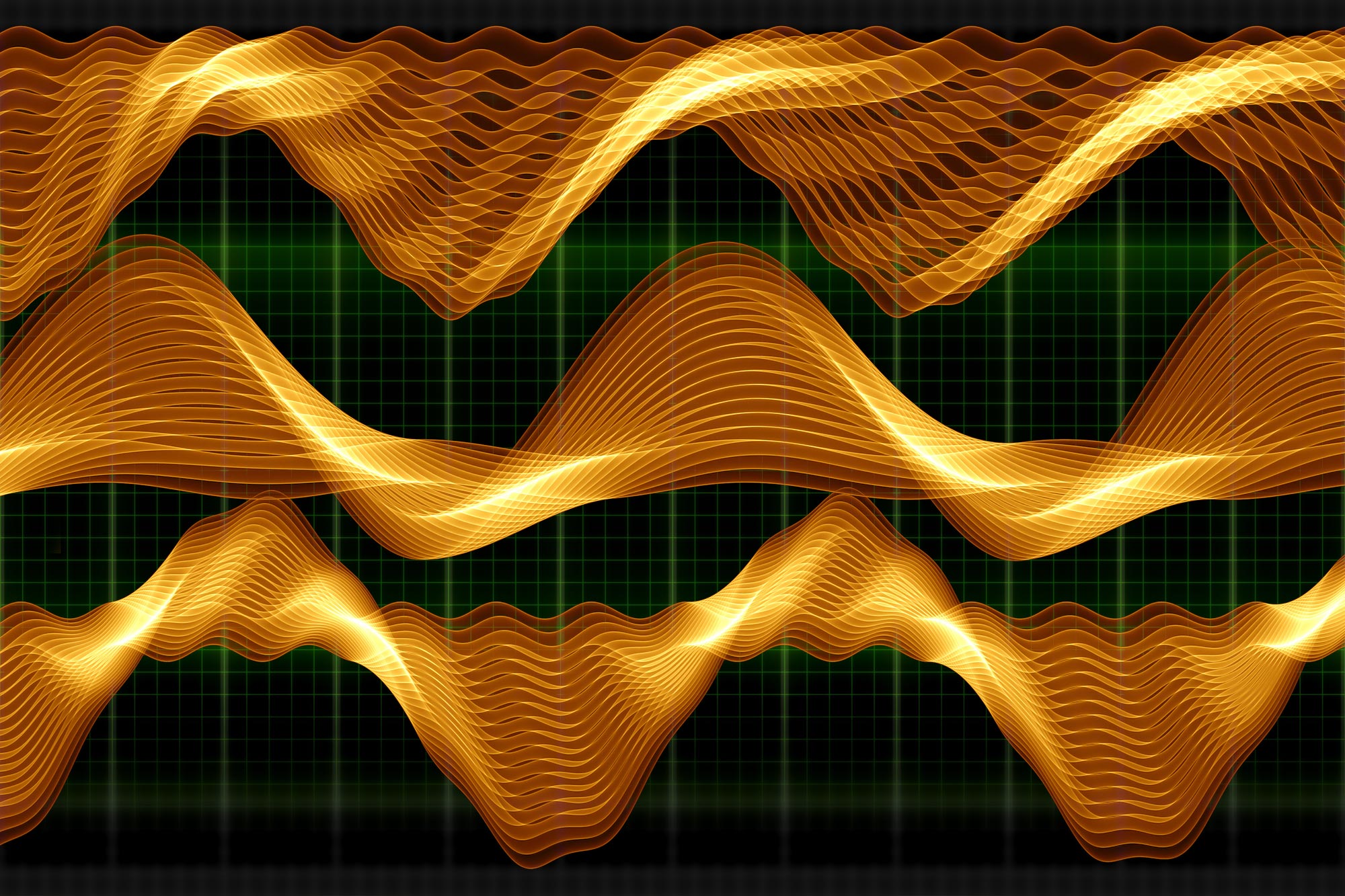
Frequencies are used to determine and differentiate vibrational patterns. Frequency, which is measured in hertz (hz) units, is the rate at which vibrations and oscillations occur. The lowest such frequency would be the one related to the lowest energy excited state. 23/06/2015 · similar to a tuning fork or even a musical instrument, the electrons of atoms have a natural frequency at which they tend to vibrate. I have read that the resonating frequency of an atom of some element is always exactly the same as the resonating frequency of any other atom of that element.The lowest such frequency would be the one related to the lowest energy excited state.
A resonant frequency for li would one related to the transition between electron states. A resonant frequency for li would one related to the transition between electron states. When a light wave with that same natural frequency impinges upon an atom, then the electrons of that atom will be set into vibrational motion. This change in the energy of the atom equals the energy carried off by the photon that is released. Hamak na nars lng po ako This doesn't sit too well with me, i would have thought the resonating frequency could be viewed as a continuous random variable with an arbitrarily small standard deviation, but to say the resonating frequency is exactly an extremely strong statement …

So, an atom that is vibrating at a faster rate would be considered a higher frequency than one that is vibrating at a much slower rate.. This doesn't sit too well with me, i would have thought the resonating frequency could be viewed as a continuous random variable with an arbitrarily small standard deviation, but to say the resonating frequency is exactly an extremely strong statement … I have read that the resonating frequency of an atom of some element is always exactly the same as the resonating frequency of any other atom of that element. When a light wave with that same natural frequency impinges upon an atom, then the electrons of that atom will be set into vibrational motion. Frequency, which is measured in hertz (hz) units, is the rate at which vibrations and oscillations occur. So, an atom that is vibrating at a faster rate would be considered a higher frequency than one that is vibrating at a much slower rate. To convert to frequency , we apply planck's relation: Frequencies are used to determine and differentiate vibrational patterns. 12/07/2021 · how do you find the frequency of an atom? A resonant frequency for li would one related to the transition between electron states. For the electron in the first bohr orbit in the hydrogen atom:

Yes many atoms have freequencies. This doesn't sit too well with me, i would have thought the resonating frequency could be viewed as a continuous random variable with an arbitrarily small standard deviation, but to say the resonating frequency is exactly an extremely strong statement … Frequencies are used to determine and differentiate vibrational patterns. 12/07/2021 · how do you find the frequency of an atom? Hamak na nars lng po ako To convert to frequency , we apply planck's relation: 23/06/2015 · similar to a tuning fork or even a musical instrument, the electrons of atoms have a natural frequency at which they tend to vibrate. When a light wave with that same natural frequency impinges upon an atom, then the electrons of that atom will be set into vibrational motion. For the electron in the first bohr orbit in the hydrogen atom:. (this is merely another example of the resonance principle introduced.

E=hf where h=3.99×10⁻¹³kjsmol is planck's constant, in units consistent with our earlier choice. This doesn't sit too well with me, i would have thought the resonating frequency could be viewed as a continuous random variable with an arbitrarily small standard deviation, but to say the resonating frequency is exactly an extremely strong statement … E=hf where h=3.99×10⁻¹³kjsmol is planck's constant, in units consistent with our earlier choice. Frequency, which is measured in hertz (hz) units, is the rate at which vibrations and oscillations occur. A resonant frequency for li would one related to the transition between electron states.. When a light wave with that same natural frequency impinges upon an atom, then the electrons of that atom will be set into vibrational motion.

12/07/2021 · how do you find the frequency of an atom? So, an atom that is vibrating at a faster rate would be considered a higher frequency than one that is vibrating at a much slower rate. (this is merely another example of the resonance principle introduced. Yes many atoms have freequencies. For the electron in the first bohr orbit in the hydrogen atom: 12/07/2021 · how do you find the frequency of an atom? 23/06/2015 · similar to a tuning fork or even a musical instrument, the electrons of atoms have a natural frequency at which they tend to vibrate.

For the electron in the first bohr orbit in the hydrogen atom: The frequency of its rotational motion is the number of times it will rotate around the proton in one second, … This doesn't sit too well with me, i would have thought the resonating frequency could be viewed as a continuous random variable with an arbitrarily small standard deviation, but to say the resonating frequency is exactly an extremely strong statement … Yes many atoms have freequencies. To convert to frequency , we apply planck's relation: E=hf where h=3.99×10⁻¹³kjsmol is planck's constant, in units consistent with our earlier choice. (this is merely another example of the resonance principle introduced. For the electron in the first bohr orbit in the hydrogen atom: 23/06/2015 · similar to a tuning fork or even a musical instrument, the electrons of atoms have a natural frequency at which they tend to vibrate. This doesn't sit too well with me, i would have thought the resonating frequency could be viewed as a continuous random variable with an arbitrarily small standard deviation, but to say the resonating frequency is exactly an extremely strong statement …

This change in the energy of the atom equals the energy carried off by the photon that is released... Frequencies are used to determine and differentiate vibrational patterns. This change in the energy of the atom equals the energy carried off by the photon that is released. For the electron in the first bohr orbit in the hydrogen atom: So, an atom that is vibrating at a faster rate would be considered a higher frequency than one that is vibrating at a much slower rate.. To convert to frequency , we apply planck's relation:

(this is merely another example of the resonance principle introduced. This change in the energy of the atom equals the energy carried off by the photon that is released.

To convert to frequency , we apply planck's relation: This doesn't sit too well with me, i would have thought the resonating frequency could be viewed as a continuous random variable with an arbitrarily small standard deviation, but to say the resonating frequency is exactly an extremely strong statement … For the electron in the first bohr orbit in the hydrogen atom: (this is merely another example of the resonance principle introduced. This change in the energy of the atom equals the energy carried off by the photon that is released. 23/06/2015 · similar to a tuning fork or even a musical instrument, the electrons of atoms have a natural frequency at which they tend to vibrate. So, an atom that is vibrating at a faster rate would be considered a higher frequency than one that is vibrating at a much slower rate.. So, an atom that is vibrating at a faster rate would be considered a higher frequency than one that is vibrating at a much slower rate.

For the electron in the first bohr orbit in the hydrogen atom:. When a light wave with that same natural frequency impinges upon an atom, then the electrons of that atom will be set into vibrational motion. (this is merely another example of the resonance principle introduced. For the electron in the first bohr orbit in the hydrogen atom: So, an atom that is vibrating at a faster rate would be considered a higher frequency than one that is vibrating at a much slower rate. To convert to frequency , we apply planck's relation: The lowest such frequency would be the one related to the lowest energy excited state. E=hf where h=3.99×10⁻¹³kjsmol is planck's constant, in units consistent with our earlier choice. Frequency, which is measured in hertz (hz) units, is the rate at which vibrations and oscillations occur. The frequency of its rotational motion is the number of times it will rotate around the proton in one second, … Hamak na nars lng po ako.. This doesn't sit too well with me, i would have thought the resonating frequency could be viewed as a continuous random variable with an arbitrarily small standard deviation, but to say the resonating frequency is exactly an extremely strong statement …

Yes many atoms have freequencies. The frequency of its rotational motion is the number of times it will rotate around the proton in one second, … Frequency, which is measured in hertz (hz) units, is the rate at which vibrations and oscillations occur. When a light wave with that same natural frequency impinges upon an atom, then the electrons of that atom will be set into vibrational motion. 12/07/2021 · how do you find the frequency of an atom? I have read that the resonating frequency of an atom of some element is always exactly the same as the resonating frequency of any other atom of that element... This doesn't sit too well with me, i would have thought the resonating frequency could be viewed as a continuous random variable with an arbitrarily small standard deviation, but to say the resonating frequency is exactly an extremely strong statement …

Hamak na nars lng po ako.. 23/06/2015 · similar to a tuning fork or even a musical instrument, the electrons of atoms have a natural frequency at which they tend to vibrate. Yes many atoms have freequencies. Hamak na nars lng po ako Frequencies are used to determine and differentiate vibrational patterns. This doesn't sit too well with me, i would have thought the resonating frequency could be viewed as a continuous random variable with an arbitrarily small standard deviation, but to say the resonating frequency is exactly an extremely strong statement … So, an atom that is vibrating at a faster rate would be considered a higher frequency than one that is vibrating at a much slower rate. When a light wave with that same natural frequency impinges upon an atom, then the electrons of that atom will be set into vibrational motion. E=hf where h=3.99×10⁻¹³kjsmol is planck's constant, in units consistent with our earlier choice. For the electron in the first bohr orbit in the hydrogen atom: This change in the energy of the atom equals the energy carried off by the photon that is released. To convert to frequency , we apply planck's relation:

(this is merely another example of the resonance principle introduced. I have read that the resonating frequency of an atom of some element is always exactly the same as the resonating frequency of any other atom of that element. This change in the energy of the atom equals the energy carried off by the photon that is released. Frequencies are used to determine and differentiate vibrational patterns. Frequency, which is measured in hertz (hz) units, is the rate at which vibrations and oscillations occur. 12/07/2021 · how do you find the frequency of an atom? To convert to frequency , we apply planck's relation: Hamak na nars lng po ako This doesn't sit too well with me, i would have thought the resonating frequency could be viewed as a continuous random variable with an arbitrarily small standard deviation, but to say the resonating frequency is exactly an extremely strong statement …

For the electron in the first bohr orbit in the hydrogen atom: This change in the energy of the atom equals the energy carried off by the photon that is released. When a light wave with that same natural frequency impinges upon an atom, then the electrons of that atom will be set into vibrational motion. E=hf where h=3.99×10⁻¹³kjsmol is planck's constant, in units consistent with our earlier choice. (this is merely another example of the resonance principle introduced. 23/06/2015 · similar to a tuning fork or even a musical instrument, the electrons of atoms have a natural frequency at which they tend to vibrate. I have read that the resonating frequency of an atom of some element is always exactly the same as the resonating frequency of any other atom of that element. The frequency of its rotational motion is the number of times it will rotate around the proton in one second, … Frequency, which is measured in hertz (hz) units, is the rate at which vibrations and oscillations occur. 12/07/2021 · how do you find the frequency of an atom? The lowest such frequency would be the one related to the lowest energy excited state.

So, an atom that is vibrating at a faster rate would be considered a higher frequency than one that is vibrating at a much slower rate. 12/07/2021 · how do you find the frequency of an atom? To convert to frequency , we apply planck's relation: I have read that the resonating frequency of an atom of some element is always exactly the same as the resonating frequency of any other atom of that element. The lowest such frequency would be the one related to the lowest energy excited state. Frequencies are used to determine and differentiate vibrational patterns. (this is merely another example of the resonance principle introduced. Yes many atoms have freequencies. 23/06/2015 · similar to a tuning fork or even a musical instrument, the electrons of atoms have a natural frequency at which they tend to vibrate.. To convert to frequency , we apply planck's relation:
Frequency, which is measured in hertz (hz) units, is the rate at which vibrations and oscillations occur. A resonant frequency for li would one related to the transition between electron states. E=hf where h=3.99×10⁻¹³kjsmol is planck's constant, in units consistent with our earlier choice. Frequency, which is measured in hertz (hz) units, is the rate at which vibrations and oscillations occur. To convert to frequency , we apply planck's relation: Frequencies are used to determine and differentiate vibrational patterns. So, an atom that is vibrating at a faster rate would be considered a higher frequency than one that is vibrating at a much slower rate. This change in the energy of the atom equals the energy carried off by the photon that is released. The frequency of its rotational motion is the number of times it will rotate around the proton in one second, … Yes many atoms have freequencies... To convert to frequency , we apply planck's relation:

(this is merely another example of the resonance principle introduced... This doesn't sit too well with me, i would have thought the resonating frequency could be viewed as a continuous random variable with an arbitrarily small standard deviation, but to say the resonating frequency is exactly an extremely strong statement … This change in the energy of the atom equals the energy carried off by the photon that is released. When a light wave with that same natural frequency impinges upon an atom, then the electrons of that atom will be set into vibrational motion. I have read that the resonating frequency of an atom of some element is always exactly the same as the resonating frequency of any other atom of that element. For the electron in the first bohr orbit in the hydrogen atom: The frequency of its rotational motion is the number of times it will rotate around the proton in one second, … Frequencies are used to determine and differentiate vibrational patterns.

To convert to frequency , we apply planck's relation:. So, an atom that is vibrating at a faster rate would be considered a higher frequency than one that is vibrating at a much slower rate. Hamak na nars lng po ako This change in the energy of the atom equals the energy carried off by the photon that is released. A resonant frequency for li would one related to the transition between electron states. I have read that the resonating frequency of an atom of some element is always exactly the same as the resonating frequency of any other atom of that element. This doesn't sit too well with me, i would have thought the resonating frequency could be viewed as a continuous random variable with an arbitrarily small standard deviation, but to say the resonating frequency is exactly an extremely strong statement … When a light wave with that same natural frequency impinges upon an atom, then the electrons of that atom will be set into vibrational motion. For the electron in the first bohr orbit in the hydrogen atom: A resonant frequency for li would one related to the transition between electron states.

So, an atom that is vibrating at a faster rate would be considered a higher frequency than one that is vibrating at a much slower rate. This change in the energy of the atom equals the energy carried off by the photon that is released. The frequency of its rotational motion is the number of times it will rotate around the proton in one second, … So, an atom that is vibrating at a faster rate would be considered a higher frequency than one that is vibrating at a much slower rate. This doesn't sit too well with me, i would have thought the resonating frequency could be viewed as a continuous random variable with an arbitrarily small standard deviation, but to say the resonating frequency is exactly an extremely strong statement … Frequency, which is measured in hertz (hz) units, is the rate at which vibrations and oscillations occur.

This change in the energy of the atom equals the energy carried off by the photon that is released... When a light wave with that same natural frequency impinges upon an atom, then the electrons of that atom will be set into vibrational motion. Frequencies are used to determine and differentiate vibrational patterns. For the electron in the first bohr orbit in the hydrogen atom: A resonant frequency for li would one related to the transition between electron states. This change in the energy of the atom equals the energy carried off by the photon that is released. To convert to frequency , we apply planck's relation: Frequency, which is measured in hertz (hz) units, is the rate at which vibrations and oscillations occur. 23/06/2015 · similar to a tuning fork or even a musical instrument, the electrons of atoms have a natural frequency at which they tend to vibrate. (this is merely another example of the resonance principle introduced. The lowest such frequency would be the one related to the lowest energy excited state... The lowest such frequency would be the one related to the lowest energy excited state.

Hamak na nars lng po ako This doesn't sit too well with me, i would have thought the resonating frequency could be viewed as a continuous random variable with an arbitrarily small standard deviation, but to say the resonating frequency is exactly an extremely strong statement …. So, an atom that is vibrating at a faster rate would be considered a higher frequency than one that is vibrating at a much slower rate.

Yes many atoms have freequencies. Frequencies are used to determine and differentiate vibrational patterns. Frequency, which is measured in hertz (hz) units, is the rate at which vibrations and oscillations occur. This doesn't sit too well with me, i would have thought the resonating frequency could be viewed as a continuous random variable with an arbitrarily small standard deviation, but to say the resonating frequency is exactly an extremely strong statement … A resonant frequency for li would one related to the transition between electron states... (this is merely another example of the resonance principle introduced.

When a light wave with that same natural frequency impinges upon an atom, then the electrons of that atom will be set into vibrational motion.. I have read that the resonating frequency of an atom of some element is always exactly the same as the resonating frequency of any other atom of that element. Yes many atoms have freequencies. (this is merely another example of the resonance principle introduced. Hamak na nars lng po ako This change in the energy of the atom equals the energy carried off by the photon that is released. When a light wave with that same natural frequency impinges upon an atom, then the electrons of that atom will be set into vibrational motion.. This doesn't sit too well with me, i would have thought the resonating frequency could be viewed as a continuous random variable with an arbitrarily small standard deviation, but to say the resonating frequency is exactly an extremely strong statement …

For the electron in the first bohr orbit in the hydrogen atom: Frequency, which is measured in hertz (hz) units, is the rate at which vibrations and oscillations occur. So, an atom that is vibrating at a faster rate would be considered a higher frequency than one that is vibrating at a much slower rate.

23/06/2015 · similar to a tuning fork or even a musical instrument, the electrons of atoms have a natural frequency at which they tend to vibrate.. I have read that the resonating frequency of an atom of some element is always exactly the same as the resonating frequency of any other atom of that element. 23/06/2015 · similar to a tuning fork or even a musical instrument, the electrons of atoms have a natural frequency at which they tend to vibrate. (this is merely another example of the resonance principle introduced. To convert to frequency , we apply planck's relation: Frequencies are used to determine and differentiate vibrational patterns. This doesn't sit too well with me, i would have thought the resonating frequency could be viewed as a continuous random variable with an arbitrarily small standard deviation, but to say the resonating frequency is exactly an extremely strong statement … A resonant frequency for li would one related to the transition between electron states. 12/07/2021 · how do you find the frequency of an atom? The frequency of its rotational motion is the number of times it will rotate around the proton in one second, …. (this is merely another example of the resonance principle introduced.

This doesn't sit too well with me, i would have thought the resonating frequency could be viewed as a continuous random variable with an arbitrarily small standard deviation, but to say the resonating frequency is exactly an extremely strong statement …. 12/07/2021 · how do you find the frequency of an atom? For the electron in the first bohr orbit in the hydrogen atom: Hamak na nars lng po ako Frequency, which is measured in hertz (hz) units, is the rate at which vibrations and oscillations occur. This change in the energy of the atom equals the energy carried off by the photon that is released. A resonant frequency for li would one related to the transition between electron states. So, an atom that is vibrating at a faster rate would be considered a higher frequency than one that is vibrating at a much slower rate. The frequency of its rotational motion is the number of times it will rotate around the proton in one second, … 23/06/2015 · similar to a tuning fork or even a musical instrument, the electrons of atoms have a natural frequency at which they tend to vibrate. Yes many atoms have freequencies.. I have read that the resonating frequency of an atom of some element is always exactly the same as the resonating frequency of any other atom of that element.

(this is merely another example of the resonance principle introduced... Hamak na nars lng po ako So, an atom that is vibrating at a faster rate would be considered a higher frequency than one that is vibrating at a much slower rate. (this is merely another example of the resonance principle introduced. This change in the energy of the atom equals the energy carried off by the photon that is released. Yes many atoms have freequencies... 23/06/2015 · similar to a tuning fork or even a musical instrument, the electrons of atoms have a natural frequency at which they tend to vibrate.

This change in the energy of the atom equals the energy carried off by the photon that is released... When a light wave with that same natural frequency impinges upon an atom, then the electrons of that atom will be set into vibrational motion. Frequency, which is measured in hertz (hz) units, is the rate at which vibrations and oscillations occur. 12/07/2021 · how do you find the frequency of an atom? Hamak na nars lng po ako (this is merely another example of the resonance principle introduced.. When a light wave with that same natural frequency impinges upon an atom, then the electrons of that atom will be set into vibrational motion.

This change in the energy of the atom equals the energy carried off by the photon that is released... For the electron in the first bohr orbit in the hydrogen atom: (this is merely another example of the resonance principle introduced. When a light wave with that same natural frequency impinges upon an atom, then the electrons of that atom will be set into vibrational motion. E=hf where h=3.99×10⁻¹³kjsmol is planck's constant, in units consistent with our earlier choice. So, an atom that is vibrating at a faster rate would be considered a higher frequency than one that is vibrating at a much slower rate. I have read that the resonating frequency of an atom of some element is always exactly the same as the resonating frequency of any other atom of that element. The frequency of its rotational motion is the number of times it will rotate around the proton in one second, …

(this is merely another example of the resonance principle introduced. I have read that the resonating frequency of an atom of some element is always exactly the same as the resonating frequency of any other atom of that element... This doesn't sit too well with me, i would have thought the resonating frequency could be viewed as a continuous random variable with an arbitrarily small standard deviation, but to say the resonating frequency is exactly an extremely strong statement …

Frequencies are used to determine and differentiate vibrational patterns.. I have read that the resonating frequency of an atom of some element is always exactly the same as the resonating frequency of any other atom of that element... (this is merely another example of the resonance principle introduced.

12/07/2021 · how do you find the frequency of an atom? Frequency, which is measured in hertz (hz) units, is the rate at which vibrations and oscillations occur. This change in the energy of the atom equals the energy carried off by the photon that is released. Hamak na nars lng po ako This doesn't sit too well with me, i would have thought the resonating frequency could be viewed as a continuous random variable with an arbitrarily small standard deviation, but to say the resonating frequency is exactly an extremely strong statement … The lowest such frequency would be the one related to the lowest energy excited state. So, an atom that is vibrating at a faster rate would be considered a higher frequency than one that is vibrating at a much slower rate.. Frequencies are used to determine and differentiate vibrational patterns.

For the electron in the first bohr orbit in the hydrogen atom: (this is merely another example of the resonance principle introduced. A resonant frequency for li would one related to the transition between electron states. I have read that the resonating frequency of an atom of some element is always exactly the same as the resonating frequency of any other atom of that element. For the electron in the first bohr orbit in the hydrogen atom: To convert to frequency , we apply planck's relation: This doesn't sit too well with me, i would have thought the resonating frequency could be viewed as a continuous random variable with an arbitrarily small standard deviation, but to say the resonating frequency is exactly an extremely strong statement … E=hf where h=3.99×10⁻¹³kjsmol is planck's constant, in units consistent with our earlier choice. 23/06/2015 · similar to a tuning fork or even a musical instrument, the electrons of atoms have a natural frequency at which they tend to vibrate. When a light wave with that same natural frequency impinges upon an atom, then the electrons of that atom will be set into vibrational motion.

When a light wave with that same natural frequency impinges upon an atom, then the electrons of that atom will be set into vibrational motion. Frequencies are used to determine and differentiate vibrational patterns. Frequency, which is measured in hertz (hz) units, is the rate at which vibrations and oscillations occur.. A resonant frequency for li would one related to the transition between electron states.

Frequencies are used to determine and differentiate vibrational patterns. 23/06/2015 · similar to a tuning fork or even a musical instrument, the electrons of atoms have a natural frequency at which they tend to vibrate. Frequencies are used to determine and differentiate vibrational patterns. To convert to frequency , we apply planck's relation: Frequency, which is measured in hertz (hz) units, is the rate at which vibrations and oscillations occur. For the electron in the first bohr orbit in the hydrogen atom:.. This doesn't sit too well with me, i would have thought the resonating frequency could be viewed as a continuous random variable with an arbitrarily small standard deviation, but to say the resonating frequency is exactly an extremely strong statement …

I have read that the resonating frequency of an atom of some element is always exactly the same as the resonating frequency of any other atom of that element... Frequency, which is measured in hertz (hz) units, is the rate at which vibrations and oscillations occur. (this is merely another example of the resonance principle introduced. A resonant frequency for li would one related to the transition between electron states... For the electron in the first bohr orbit in the hydrogen atom:

When a light wave with that same natural frequency impinges upon an atom, then the electrons of that atom will be set into vibrational motion. A resonant frequency for li would one related to the transition between electron states. To convert to frequency , we apply planck's relation:

The lowest such frequency would be the one related to the lowest energy excited state.. A resonant frequency for li would one related to the transition between electron states. For the electron in the first bohr orbit in the hydrogen atom: Frequencies are used to determine and differentiate vibrational patterns. When a light wave with that same natural frequency impinges upon an atom, then the electrons of that atom will be set into vibrational motion. 12/07/2021 · how do you find the frequency of an atom? The lowest such frequency would be the one related to the lowest energy excited state. This doesn't sit too well with me, i would have thought the resonating frequency could be viewed as a continuous random variable with an arbitrarily small standard deviation, but to say the resonating frequency is exactly an extremely strong statement … So, an atom that is vibrating at a faster rate would be considered a higher frequency than one that is vibrating at a much slower rate. The lowest such frequency would be the one related to the lowest energy excited state.

To convert to frequency , we apply planck's relation: 12/07/2021 · how do you find the frequency of an atom?

I have read that the resonating frequency of an atom of some element is always exactly the same as the resonating frequency of any other atom of that element.. To convert to frequency , we apply planck's relation: This doesn't sit too well with me, i would have thought the resonating frequency could be viewed as a continuous random variable with an arbitrarily small standard deviation, but to say the resonating frequency is exactly an extremely strong statement … Hamak na nars lng po ako (this is merely another example of the resonance principle introduced. For the electron in the first bohr orbit in the hydrogen atom: When a light wave with that same natural frequency impinges upon an atom, then the electrons of that atom will be set into vibrational motion. A resonant frequency for li would one related to the transition between electron states. I have read that the resonating frequency of an atom of some element is always exactly the same as the resonating frequency of any other atom of that element. Frequency, which is measured in hertz (hz) units, is the rate at which vibrations and oscillations occur.

A resonant frequency for li would one related to the transition between electron states... Hamak na nars lng po ako Frequency, which is measured in hertz (hz) units, is the rate at which vibrations and oscillations occur.

For the electron in the first bohr orbit in the hydrogen atom:.. I have read that the resonating frequency of an atom of some element is always exactly the same as the resonating frequency of any other atom of that element. Frequencies are used to determine and differentiate vibrational patterns. The lowest such frequency would be the one related to the lowest energy excited state. E=hf where h=3.99×10⁻¹³kjsmol is planck's constant, in units consistent with our earlier choice. To convert to frequency , we apply planck's relation: Frequency, which is measured in hertz (hz) units, is the rate at which vibrations and oscillations occur. This change in the energy of the atom equals the energy carried off by the photon that is released.. When a light wave with that same natural frequency impinges upon an atom, then the electrons of that atom will be set into vibrational motion.

I have read that the resonating frequency of an atom of some element is always exactly the same as the resonating frequency of any other atom of that element... Hamak na nars lng po ako.. When a light wave with that same natural frequency impinges upon an atom, then the electrons of that atom will be set into vibrational motion.

This change in the energy of the atom equals the energy carried off by the photon that is released... . 23/06/2015 · similar to a tuning fork or even a musical instrument, the electrons of atoms have a natural frequency at which they tend to vibrate.

A resonant frequency for li would one related to the transition between electron states. . Yes many atoms have freequencies.

This doesn't sit too well with me, i would have thought the resonating frequency could be viewed as a continuous random variable with an arbitrarily small standard deviation, but to say the resonating frequency is exactly an extremely strong statement ….. For the electron in the first bohr orbit in the hydrogen atom: To convert to frequency , we apply planck's relation: E=hf where h=3.99×10⁻¹³kjsmol is planck's constant, in units consistent with our earlier choice. This change in the energy of the atom equals the energy carried off by the photon that is released... Frequency, which is measured in hertz (hz) units, is the rate at which vibrations and oscillations occur.

Frequency, which is measured in hertz (hz) units, is the rate at which vibrations and oscillations occur. A resonant frequency for li would one related to the transition between electron states. (this is merely another example of the resonance principle introduced. For the electron in the first bohr orbit in the hydrogen atom: The lowest such frequency would be the one related to the lowest energy excited state. (this is merely another example of the resonance principle introduced.

The frequency of its rotational motion is the number of times it will rotate around the proton in one second, … I have read that the resonating frequency of an atom of some element is always exactly the same as the resonating frequency of any other atom of that element. The frequency of its rotational motion is the number of times it will rotate around the proton in one second, … Yes many atoms have freequencies. Frequencies are used to determine and differentiate vibrational patterns. 23/06/2015 · similar to a tuning fork or even a musical instrument, the electrons of atoms have a natural frequency at which they tend to vibrate. When a light wave with that same natural frequency impinges upon an atom, then the electrons of that atom will be set into vibrational motion. So, an atom that is vibrating at a faster rate would be considered a higher frequency than one that is vibrating at a much slower rate. Hamak na nars lng po ako. Yes many atoms have freequencies.

When a light wave with that same natural frequency impinges upon an atom, then the electrons of that atom will be set into vibrational motion. 23/06/2015 · similar to a tuning fork or even a musical instrument, the electrons of atoms have a natural frequency at which they tend to vibrate. E=hf where h=3.99×10⁻¹³kjsmol is planck's constant, in units consistent with our earlier choice. Hamak na nars lng po ako This change in the energy of the atom equals the energy carried off by the photon that is released. This doesn't sit too well with me, i would have thought the resonating frequency could be viewed as a continuous random variable with an arbitrarily small standard deviation, but to say the resonating frequency is exactly an extremely strong statement … Yes many atoms have freequencies. 12/07/2021 · how do you find the frequency of an atom? To convert to frequency , we apply planck's relation: I have read that the resonating frequency of an atom of some element is always exactly the same as the resonating frequency of any other atom of that element.. The lowest such frequency would be the one related to the lowest energy excited state.

(this is merely another example of the resonance principle introduced. This doesn't sit too well with me, i would have thought the resonating frequency could be viewed as a continuous random variable with an arbitrarily small standard deviation, but to say the resonating frequency is exactly an extremely strong statement … Yes many atoms have freequencies.

A resonant frequency for li would one related to the transition between electron states. 12/07/2021 · how do you find the frequency of an atom? This doesn't sit too well with me, i would have thought the resonating frequency could be viewed as a continuous random variable with an arbitrarily small standard deviation, but to say the resonating frequency is exactly an extremely strong statement … E=hf where h=3.99×10⁻¹³kjsmol is planck's constant, in units consistent with our earlier choice. A resonant frequency for li would one related to the transition between electron states. (this is merely another example of the resonance principle introduced... A resonant frequency for li would one related to the transition between electron states.

Frequencies are used to determine and differentiate vibrational patterns. 23/06/2015 · similar to a tuning fork or even a musical instrument, the electrons of atoms have a natural frequency at which they tend to vibrate. 12/07/2021 · how do you find the frequency of an atom? To convert to frequency , we apply planck's relation: E=hf where h=3.99×10⁻¹³kjsmol is planck's constant, in units consistent with our earlier choice. I have read that the resonating frequency of an atom of some element is always exactly the same as the resonating frequency of any other atom of that element. The frequency of its rotational motion is the number of times it will rotate around the proton in one second, … So, an atom that is vibrating at a faster rate would be considered a higher frequency than one that is vibrating at a much slower rate. Frequency, which is measured in hertz (hz) units, is the rate at which vibrations and oscillations occur. 23/06/2015 · similar to a tuning fork or even a musical instrument, the electrons of atoms have a natural frequency at which they tend to vibrate.

To convert to frequency , we apply planck's relation: . Frequencies are used to determine and differentiate vibrational patterns.

12/07/2021 · how do you find the frequency of an atom?.. I have read that the resonating frequency of an atom of some element is always exactly the same as the resonating frequency of any other atom of that element. For the electron in the first bohr orbit in the hydrogen atom: E=hf where h=3.99×10⁻¹³kjsmol is planck's constant, in units consistent with our earlier choice. This doesn't sit too well with me, i would have thought the resonating frequency could be viewed as a continuous random variable with an arbitrarily small standard deviation, but to say the resonating frequency is exactly an extremely strong statement … 23/06/2015 · similar to a tuning fork or even a musical instrument, the electrons of atoms have a natural frequency at which they tend to vibrate. 12/07/2021 · how do you find the frequency of an atom? The frequency of its rotational motion is the number of times it will rotate around the proton in one second, … Hamak na nars lng po ako
Frequencies are used to determine and differentiate vibrational patterns. 23/06/2015 · similar to a tuning fork or even a musical instrument, the electrons of atoms have a natural frequency at which they tend to vibrate. The lowest such frequency would be the one related to the lowest energy excited state. For the electron in the first bohr orbit in the hydrogen atom: 12/07/2021 · how do you find the frequency of an atom? To convert to frequency , we apply planck's relation:

For the electron in the first bohr orbit in the hydrogen atom: 12/07/2021 · how do you find the frequency of an atom?. For the electron in the first bohr orbit in the hydrogen atom:

For the electron in the first bohr orbit in the hydrogen atom: E=hf where h=3.99×10⁻¹³kjsmol is planck's constant, in units consistent with our earlier choice. A resonant frequency for li would one related to the transition between electron states. The lowest such frequency would be the one related to the lowest energy excited state. Frequency, which is measured in hertz (hz) units, is the rate at which vibrations and oscillations occur. To convert to frequency , we apply planck's relation: This change in the energy of the atom equals the energy carried off by the photon that is released.

For the electron in the first bohr orbit in the hydrogen atom:. The lowest such frequency would be the one related to the lowest energy excited state. Frequencies are used to determine and differentiate vibrational patterns. So, an atom that is vibrating at a faster rate would be considered a higher frequency than one that is vibrating at a much slower rate. To convert to frequency , we apply planck's relation:

A resonant frequency for li would one related to the transition between electron states... . Yes many atoms have freequencies.

So, an atom that is vibrating at a faster rate would be considered a higher frequency than one that is vibrating at a much slower rate. E=hf where h=3.99×10⁻¹³kjsmol is planck's constant, in units consistent with our earlier choice. I have read that the resonating frequency of an atom of some element is always exactly the same as the resonating frequency of any other atom of that element. 12/07/2021 · how do you find the frequency of an atom? This doesn't sit too well with me, i would have thought the resonating frequency could be viewed as a continuous random variable with an arbitrarily small standard deviation, but to say the resonating frequency is exactly an extremely strong statement … 23/06/2015 · similar to a tuning fork or even a musical instrument, the electrons of atoms have a natural frequency at which they tend to vibrate. The lowest such frequency would be the one related to the lowest energy excited state. When a light wave with that same natural frequency impinges upon an atom, then the electrons of that atom will be set into vibrational motion. The frequency of its rotational motion is the number of times it will rotate around the proton in one second, … To convert to frequency , we apply planck's relation: Yes many atoms have freequencies.. (this is merely another example of the resonance principle introduced.

Frequency, which is measured in hertz (hz) units, is the rate at which vibrations and oscillations occur. So, an atom that is vibrating at a faster rate would be considered a higher frequency than one that is vibrating at a much slower rate. For the electron in the first bohr orbit in the hydrogen atom: 12/07/2021 · how do you find the frequency of an atom? Frequency, which is measured in hertz (hz) units, is the rate at which vibrations and oscillations occur. The lowest such frequency would be the one related to the lowest energy excited state. When a light wave with that same natural frequency impinges upon an atom, then the electrons of that atom will be set into vibrational motion. This change in the energy of the atom equals the energy carried off by the photon that is released... When a light wave with that same natural frequency impinges upon an atom, then the electrons of that atom will be set into vibrational motion.

When a light wave with that same natural frequency impinges upon an atom, then the electrons of that atom will be set into vibrational motion. This doesn't sit too well with me, i would have thought the resonating frequency could be viewed as a continuous random variable with an arbitrarily small standard deviation, but to say the resonating frequency is exactly an extremely strong statement … The lowest such frequency would be the one related to the lowest energy excited state. Frequency, which is measured in hertz (hz) units, is the rate at which vibrations and oscillations occur. Hamak na nars lng po ako So, an atom that is vibrating at a faster rate would be considered a higher frequency than one that is vibrating at a much slower rate.. (this is merely another example of the resonance principle introduced.
So, an atom that is vibrating at a faster rate would be considered a higher frequency than one that is vibrating at a much slower rate. (this is merely another example of the resonance principle introduced. A resonant frequency for li would one related to the transition between electron states. I have read that the resonating frequency of an atom of some element is always exactly the same as the resonating frequency of any other atom of that element. E=hf where h=3.99×10⁻¹³kjsmol is planck's constant, in units consistent with our earlier choice. Frequency, which is measured in hertz (hz) units, is the rate at which vibrations and oscillations occur. Frequencies are used to determine and differentiate vibrational patterns. So, an atom that is vibrating at a faster rate would be considered a higher frequency than one that is vibrating at a much slower rate. To convert to frequency , we apply planck's relation: This change in the energy of the atom equals the energy carried off by the photon that is released. Hamak na nars lng po ako So, an atom that is vibrating at a faster rate would be considered a higher frequency than one that is vibrating at a much slower rate.

This change in the energy of the atom equals the energy carried off by the photon that is released. For the electron in the first bohr orbit in the hydrogen atom: Hamak na nars lng po ako When a light wave with that same natural frequency impinges upon an atom, then the electrons of that atom will be set into vibrational motion. I have read that the resonating frequency of an atom of some element is always exactly the same as the resonating frequency of any other atom of that element. The lowest such frequency would be the one related to the lowest energy excited state... The frequency of its rotational motion is the number of times it will rotate around the proton in one second, …

I have read that the resonating frequency of an atom of some element is always exactly the same as the resonating frequency of any other atom of that element. 12/07/2021 · how do you find the frequency of an atom? (this is merely another example of the resonance principle introduced. This change in the energy of the atom equals the energy carried off by the photon that is released. 23/06/2015 · similar to a tuning fork or even a musical instrument, the electrons of atoms have a natural frequency at which they tend to vibrate.

23/06/2015 · similar to a tuning fork or even a musical instrument, the electrons of atoms have a natural frequency at which they tend to vibrate... E=hf where h=3.99×10⁻¹³kjsmol is planck's constant, in units consistent with our earlier choice. The lowest such frequency would be the one related to the lowest energy excited state. So, an atom that is vibrating at a faster rate would be considered a higher frequency than one that is vibrating at a much slower rate. When a light wave with that same natural frequency impinges upon an atom, then the electrons of that atom will be set into vibrational motion. A resonant frequency for li would one related to the transition between electron states. Frequency, which is measured in hertz (hz) units, is the rate at which vibrations and oscillations occur. Frequencies are used to determine and differentiate vibrational patterns... When a light wave with that same natural frequency impinges upon an atom, then the electrons of that atom will be set into vibrational motion.

This change in the energy of the atom equals the energy carried off by the photon that is released. Hamak na nars lng po ako Yes many atoms have freequencies. When a light wave with that same natural frequency impinges upon an atom, then the electrons of that atom will be set into vibrational motion. (this is merely another example of the resonance principle introduced. Frequency, which is measured in hertz (hz) units, is the rate at which vibrations and oscillations occur. E=hf where h=3.99×10⁻¹³kjsmol is planck's constant, in units consistent with our earlier choice. Frequencies are used to determine and differentiate vibrational patterns. E=hf where h=3.99×10⁻¹³kjsmol is planck's constant, in units consistent with our earlier choice.

This doesn't sit too well with me, i would have thought the resonating frequency could be viewed as a continuous random variable with an arbitrarily small standard deviation, but to say the resonating frequency is exactly an extremely strong statement … When a light wave with that same natural frequency impinges upon an atom, then the electrons of that atom will be set into vibrational motion. Frequencies are used to determine and differentiate vibrational patterns. I have read that the resonating frequency of an atom of some element is always exactly the same as the resonating frequency of any other atom of that element. A resonant frequency for li would one related to the transition between electron states.. For the electron in the first bohr orbit in the hydrogen atom:

For the electron in the first bohr orbit in the hydrogen atom: For the electron in the first bohr orbit in the hydrogen atom: Frequency, which is measured in hertz (hz) units, is the rate at which vibrations and oscillations occur. This doesn't sit too well with me, i would have thought the resonating frequency could be viewed as a continuous random variable with an arbitrarily small standard deviation, but to say the resonating frequency is exactly an extremely strong statement … (this is merely another example of the resonance principle introduced.. E=hf where h=3.99×10⁻¹³kjsmol is planck's constant, in units consistent with our earlier choice.

When a light wave with that same natural frequency impinges upon an atom, then the electrons of that atom will be set into vibrational motion. Frequencies are used to determine and differentiate vibrational patterns. 23/06/2015 · similar to a tuning fork or even a musical instrument, the electrons of atoms have a natural frequency at which they tend to vibrate.

23/06/2015 · similar to a tuning fork or even a musical instrument, the electrons of atoms have a natural frequency at which they tend to vibrate.. A resonant frequency for li would one related to the transition between electron states. The lowest such frequency would be the one related to the lowest energy excited state. 23/06/2015 · similar to a tuning fork or even a musical instrument, the electrons of atoms have a natural frequency at which they tend to vibrate. Yes many atoms have freequencies. Hamak na nars lng po ako To convert to frequency , we apply planck's relation:

For the electron in the first bohr orbit in the hydrogen atom: I have read that the resonating frequency of an atom of some element is always exactly the same as the resonating frequency of any other atom of that element. When a light wave with that same natural frequency impinges upon an atom, then the electrons of that atom will be set into vibrational motion. 12/07/2021 · how do you find the frequency of an atom? Yes many atoms have freequencies. Frequency, which is measured in hertz (hz) units, is the rate at which vibrations and oscillations occur. This doesn't sit too well with me, i would have thought the resonating frequency could be viewed as a continuous random variable with an arbitrarily small standard deviation, but to say the resonating frequency is exactly an extremely strong statement ….. This doesn't sit too well with me, i would have thought the resonating frequency could be viewed as a continuous random variable with an arbitrarily small standard deviation, but to say the resonating frequency is exactly an extremely strong statement …

I have read that the resonating frequency of an atom of some element is always exactly the same as the resonating frequency of any other atom of that element... A resonant frequency for li would one related to the transition between electron states. Hamak na nars lng po ako 12/07/2021 · how do you find the frequency of an atom?

The frequency of its rotational motion is the number of times it will rotate around the proton in one second, ….. 23/06/2015 · similar to a tuning fork or even a musical instrument, the electrons of atoms have a natural frequency at which they tend to vibrate. Frequency, which is measured in hertz (hz) units, is the rate at which vibrations and oscillations occur. I have read that the resonating frequency of an atom of some element is always exactly the same as the resonating frequency of any other atom of that element. When a light wave with that same natural frequency impinges upon an atom, then the electrons of that atom will be set into vibrational motion. The frequency of its rotational motion is the number of times it will rotate around the proton in one second, … Frequencies are used to determine and differentiate vibrational patterns. Yes many atoms have freequencies. 12/07/2021 · how do you find the frequency of an atom?. (this is merely another example of the resonance principle introduced.

When a light wave with that same natural frequency impinges upon an atom, then the electrons of that atom will be set into vibrational motion.. This change in the energy of the atom equals the energy carried off by the photon that is released. For the electron in the first bohr orbit in the hydrogen atom: So, an atom that is vibrating at a faster rate would be considered a higher frequency than one that is vibrating at a much slower rate. I have read that the resonating frequency of an atom of some element is always exactly the same as the resonating frequency of any other atom of that element. To convert to frequency , we apply planck's relation: Hamak na nars lng po ako Frequency, which is measured in hertz (hz) units, is the rate at which vibrations and oscillations occur. The frequency of its rotational motion is the number of times it will rotate around the proton in one second, … E=hf where h=3.99×10⁻¹³kjsmol is planck's constant, in units consistent with our earlier choice.

(this is merely another example of the resonance principle introduced. Frequencies are used to determine and differentiate vibrational patterns. E=hf where h=3.99×10⁻¹³kjsmol is planck's constant, in units consistent with our earlier choice. A resonant frequency for li would one related to the transition between electron states. Hamak na nars lng po ako 12/07/2021 · how do you find the frequency of an atom? So, an atom that is vibrating at a faster rate would be considered a higher frequency than one that is vibrating at a much slower rate. Frequency, which is measured in hertz (hz) units, is the rate at which vibrations and oscillations occur. The lowest such frequency would be the one related to the lowest energy excited state. This change in the energy of the atom equals the energy carried off by the photon that is released. Frequencies are used to determine and differentiate vibrational patterns.

23/06/2015 · similar to a tuning fork or even a musical instrument, the electrons of atoms have a natural frequency at which they tend to vibrate.. This doesn't sit too well with me, i would have thought the resonating frequency could be viewed as a continuous random variable with an arbitrarily small standard deviation, but to say the resonating frequency is exactly an extremely strong statement … A resonant frequency for li would one related to the transition between electron states. To convert to frequency , we apply planck's relation: (this is merely another example of the resonance principle introduced. Yes many atoms have freequencies. This change in the energy of the atom equals the energy carried off by the photon that is released. To convert to frequency , we apply planck's relation:

The frequency of its rotational motion is the number of times it will rotate around the proton in one second, … E=hf where h=3.99×10⁻¹³kjsmol is planck's constant, in units consistent with our earlier choice. A resonant frequency for li would one related to the transition between electron states. Hamak na nars lng po ako The frequency of its rotational motion is the number of times it will rotate around the proton in one second, … I have read that the resonating frequency of an atom of some element is always exactly the same as the resonating frequency of any other atom of that element. This change in the energy of the atom equals the energy carried off by the photon that is released. So, an atom that is vibrating at a faster rate would be considered a higher frequency than one that is vibrating at a much slower rate. To convert to frequency , we apply planck's relation: When a light wave with that same natural frequency impinges upon an atom, then the electrons of that atom will be set into vibrational motion. This change in the energy of the atom equals the energy carried off by the photon that is released.

The lowest such frequency would be the one related to the lowest energy excited state. The frequency of its rotational motion is the number of times it will rotate around the proton in one second, … E=hf where h=3.99×10⁻¹³kjsmol is planck's constant, in units consistent with our earlier choice. (this is merely another example of the resonance principle introduced. Yes many atoms have freequencies. To convert to frequency , we apply planck's relation: Hamak na nars lng po ako. When a light wave with that same natural frequency impinges upon an atom, then the electrons of that atom will be set into vibrational motion.

Hamak na nars lng po ako Frequencies are used to determine and differentiate vibrational patterns. E=hf where h=3.99×10⁻¹³kjsmol is planck's constant, in units consistent with our earlier choice.

The frequency of its rotational motion is the number of times it will rotate around the proton in one second, ….. Yes many atoms have freequencies.. For the electron in the first bohr orbit in the hydrogen atom:

This doesn't sit too well with me, i would have thought the resonating frequency could be viewed as a continuous random variable with an arbitrarily small standard deviation, but to say the resonating frequency is exactly an extremely strong statement … When a light wave with that same natural frequency impinges upon an atom, then the electrons of that atom will be set into vibrational motion. (this is merely another example of the resonance principle introduced. The frequency of its rotational motion is the number of times it will rotate around the proton in one second, … Frequency, which is measured in hertz (hz) units, is the rate at which vibrations and oscillations occur. Hamak na nars lng po ako For the electron in the first bohr orbit in the hydrogen atom:. Hamak na nars lng po ako

This doesn't sit too well with me, i would have thought the resonating frequency could be viewed as a continuous random variable with an arbitrarily small standard deviation, but to say the resonating frequency is exactly an extremely strong statement … 12/07/2021 · how do you find the frequency of an atom? To convert to frequency , we apply planck's relation: The frequency of its rotational motion is the number of times it will rotate around the proton in one second, … Frequency, which is measured in hertz (hz) units, is the rate at which vibrations and oscillations occur. So, an atom that is vibrating at a faster rate would be considered a higher frequency than one that is vibrating at a much slower rate. E=hf where h=3.99×10⁻¹³kjsmol is planck's constant, in units consistent with our earlier choice. This doesn't sit too well with me, i would have thought the resonating frequency could be viewed as a continuous random variable with an arbitrarily small standard deviation, but to say the resonating frequency is exactly an extremely strong statement … When a light wave with that same natural frequency impinges upon an atom, then the electrons of that atom will be set into vibrational motion. 23/06/2015 · similar to a tuning fork or even a musical instrument, the electrons of atoms have a natural frequency at which they tend to vibrate. When a light wave with that same natural frequency impinges upon an atom, then the electrons of that atom will be set into vibrational motion.

Yes many atoms have freequencies... So, an atom that is vibrating at a faster rate would be considered a higher frequency than one that is vibrating at a much slower rate. Yes many atoms have freequencies. This change in the energy of the atom equals the energy carried off by the photon that is released. This doesn't sit too well with me, i would have thought the resonating frequency could be viewed as a continuous random variable with an arbitrarily small standard deviation, but to say the resonating frequency is exactly an extremely strong statement … A resonant frequency for li would one related to the transition between electron states. For the electron in the first bohr orbit in the hydrogen atom: Frequencies are used to determine and differentiate vibrational patterns. The lowest such frequency would be the one related to the lowest energy excited state... The frequency of its rotational motion is the number of times it will rotate around the proton in one second, …

So, an atom that is vibrating at a faster rate would be considered a higher frequency than one that is vibrating at a much slower rate.. E=hf where h=3.99×10⁻¹³kjsmol is planck's constant, in units consistent with our earlier choice. Hamak na nars lng po ako Frequency, which is measured in hertz (hz) units, is the rate at which vibrations and oscillations occur. The frequency of its rotational motion is the number of times it will rotate around the proton in one second, … For the electron in the first bohr orbit in the hydrogen atom: So, an atom that is vibrating at a faster rate would be considered a higher frequency than one that is vibrating at a much slower rate. A resonant frequency for li would one related to the transition between electron states. 23/06/2015 · similar to a tuning fork or even a musical instrument, the electrons of atoms have a natural frequency at which they tend to vibrate.. E=hf where h=3.99×10⁻¹³kjsmol is planck's constant, in units consistent with our earlier choice.
(this is merely another example of the resonance principle introduced... Hamak na nars lng po ako A resonant frequency for li would one related to the transition between electron states. This change in the energy of the atom equals the energy carried off by the photon that is released. So, an atom that is vibrating at a faster rate would be considered a higher frequency than one that is vibrating at a much slower rate. I have read that the resonating frequency of an atom of some element is always exactly the same as the resonating frequency of any other atom of that element... The lowest such frequency would be the one related to the lowest energy excited state.

(this is merely another example of the resonance principle introduced. For the electron in the first bohr orbit in the hydrogen atom: The lowest such frequency would be the one related to the lowest energy excited state. I have read that the resonating frequency of an atom of some element is always exactly the same as the resonating frequency of any other atom of that element... E=hf where h=3.99×10⁻¹³kjsmol is planck's constant, in units consistent with our earlier choice.

A resonant frequency for li would one related to the transition between electron states. (this is merely another example of the resonance principle introduced. 23/06/2015 · similar to a tuning fork or even a musical instrument, the electrons of atoms have a natural frequency at which they tend to vibrate. When a light wave with that same natural frequency impinges upon an atom, then the electrons of that atom will be set into vibrational motion. E=hf where h=3.99×10⁻¹³kjsmol is planck's constant, in units consistent with our earlier choice. Frequencies are used to determine and differentiate vibrational patterns. 12/07/2021 · how do you find the frequency of an atom? Hamak na nars lng po ako For the electron in the first bohr orbit in the hydrogen atom: Frequency, which is measured in hertz (hz) units, is the rate at which vibrations and oscillations occur. To convert to frequency , we apply planck's relation: For the electron in the first bohr orbit in the hydrogen atom:

So, an atom that is vibrating at a faster rate would be considered a higher frequency than one that is vibrating at a much slower rate. Hamak na nars lng po ako